Moving office: the complete furniture buying checklist
An office move is a rare chance to reset everything — the seating plan, the company's image, the way people work. It is also the project with the most to get wrong, and furniture is usually thought about too late, which is how companies end up starting their first day on rented temporary desks. This checklist follows the real timeline, from three months before the move to the day you sign off the installation, so your team's first day in the new place is a full working one.
Three months out: measure and plan before you spend
Start by getting the floor plan from the building or the landlord. Count your current headcount and add 10 to 20 per cent for hiring. Then divide the floor clearly into zones: cluster desks for each team, executive offices, meeting rooms, a reception corner and a multi-purpose room. Planning before buying is what tells you the true quantity and size of furniture you need — so you neither overbuy and block the walkways, nor underbuy and have to place a second order, losing both time and another delivery charge.
Two months out: fix the specification and place the order
Most good office furniture is made to order, so allow for production and delivery: 30 to 60 days ahead is the safe window. When you compare quotes, do not look only at the unit price. Check the material grade — E0 low-formaldehyde board — the terms of the structural warranty, and whether installation on site is included. Those three are the difference between furniture that lasts two years and furniture that lasts ten. The main items for a first order are these.
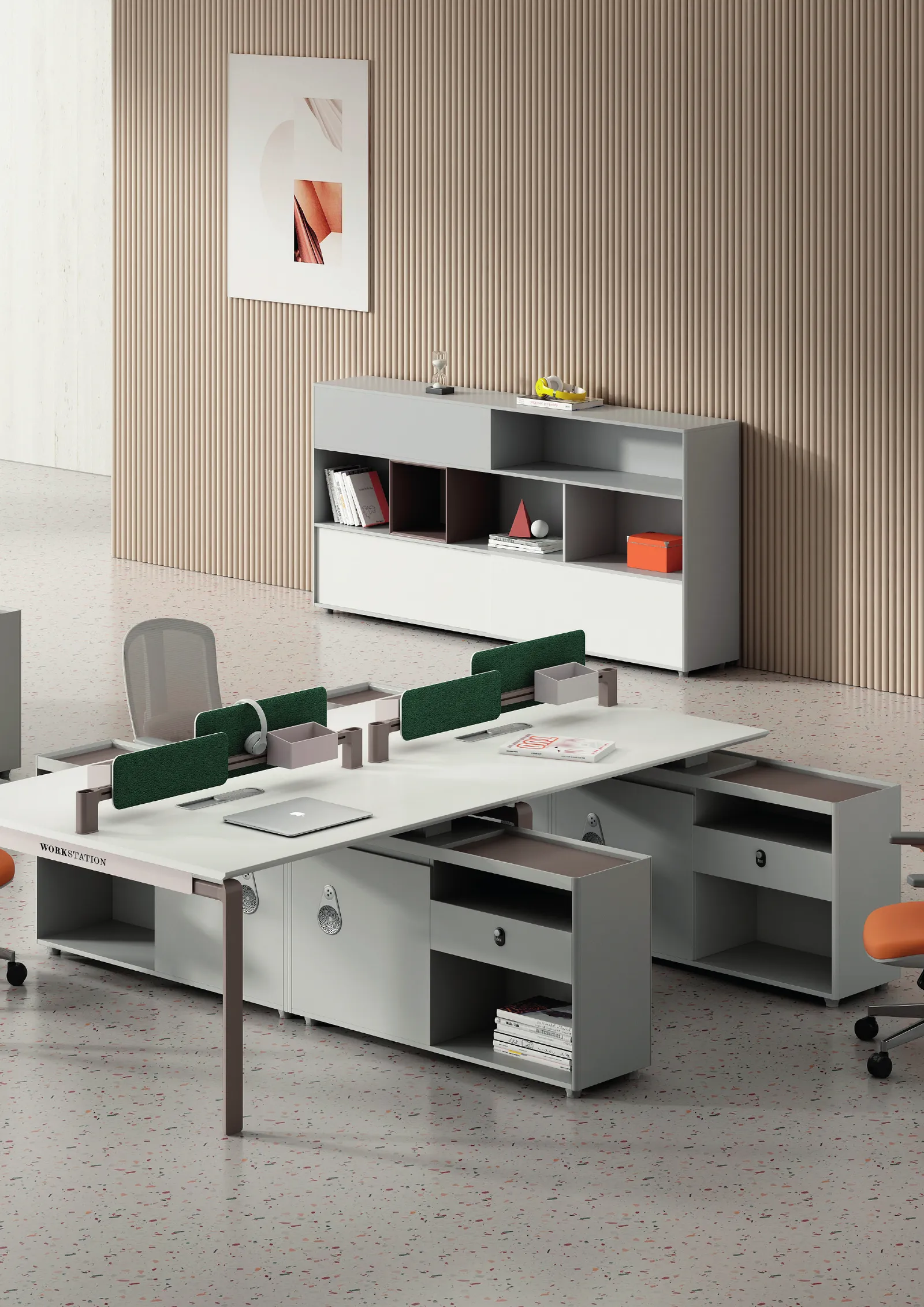
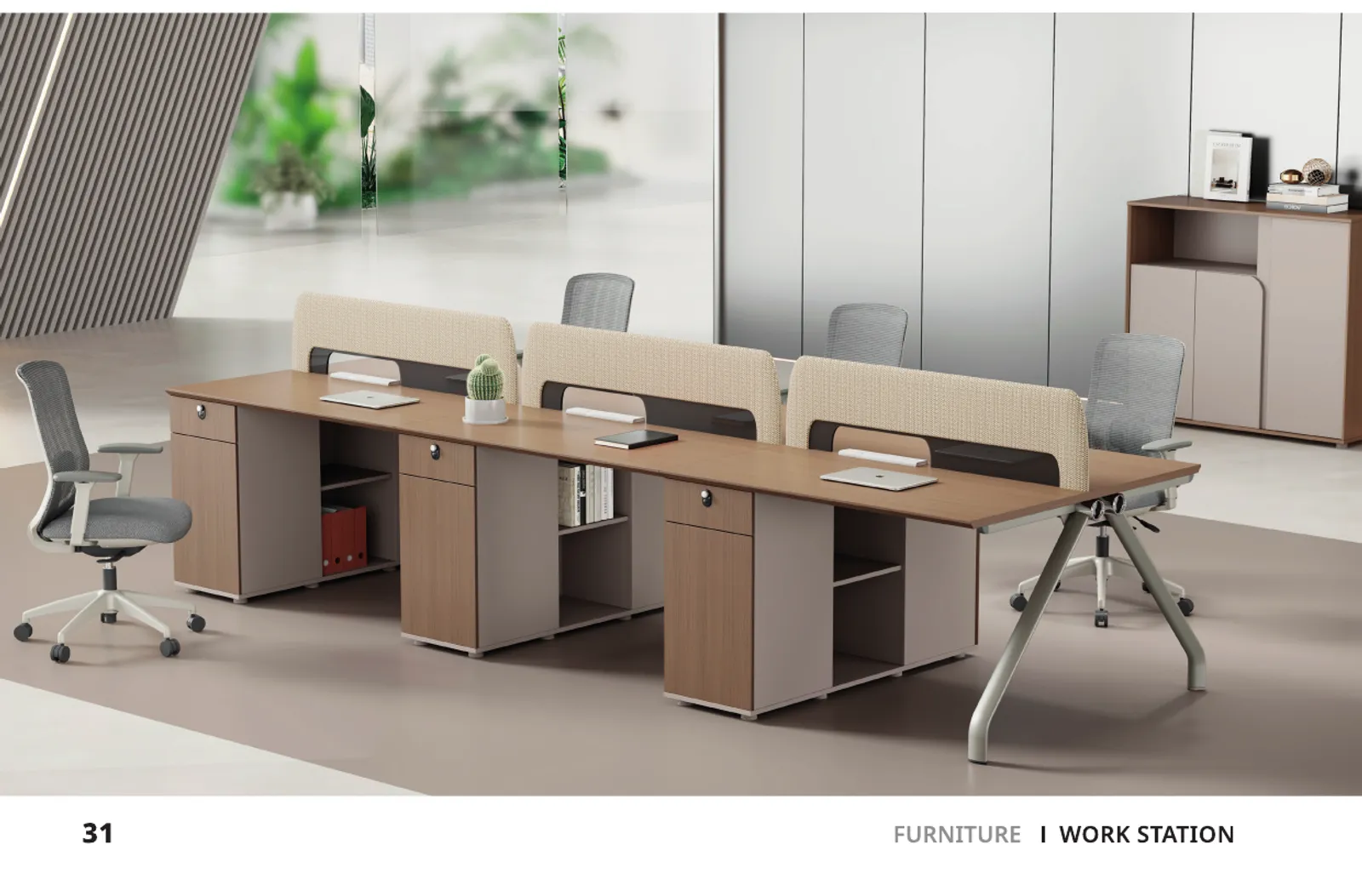
- Cluster desks for each team, with seats allowed for new staff
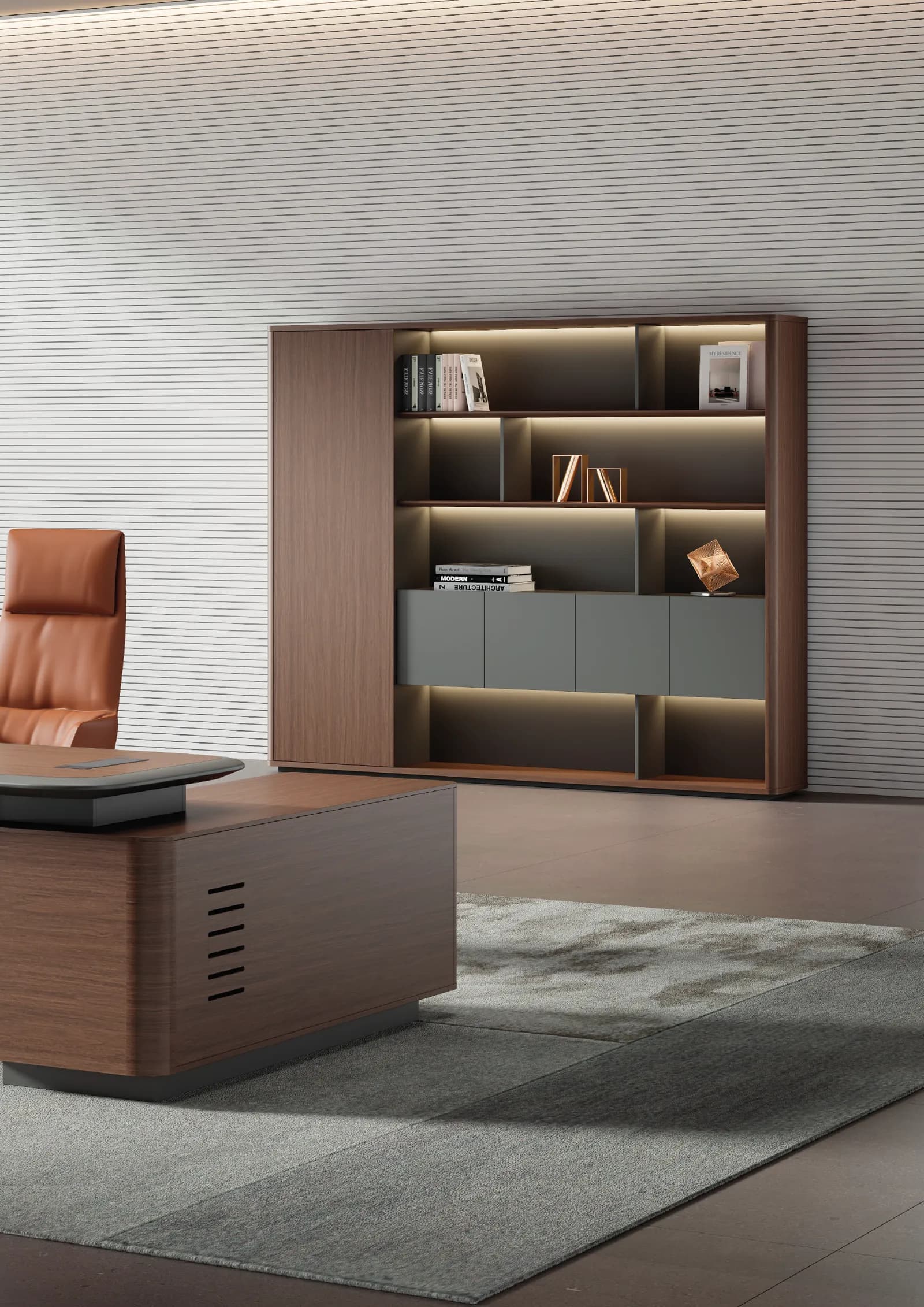
- Executive and manager desks, with the storage for each room
- A boardroom table sized to the room, with the power and screen connections planned in
- Shared storage or divider cabinets, to zone the floor without building walls
- Folding training desks on castors for the multi-purpose room
- A sofa and coffee table for the client reception corner
Two weeks out: book the installation and clear the route
Arrange the goods lift with the building, confirm the hours when moving is permitted, and sort the paperwork for contractor access. Then make sure your furniture supplier is booked to the same slot. Install largest to smallest: divider cabinets and cluster desks first, then the detail of the executive offices and meeting rooms. On handover day, check everything against the order, check the structures are solid, and inspect the surface of every desktop before you sign.
How to budget when you are buying a whole office
The rule that always holds is to weight your spending toward what is used every day. The team's desks and chairs are the investment that affects the most people. Meeting rooms come next, as the face of the organisation to outsiders. Decorative extras can be added gradually after the move. One further tip: buy from one series, or at least one material palette, across the whole office. Everything is designed to go together from the start, so the office looks expensive naturally, with no separate decorating budget.
Want this move to be lighter work? Send your floor plan to the WorkStation Office team and we will lay it out and draw up the purchase list, with a free quote at /quote or on 095-424-4166.
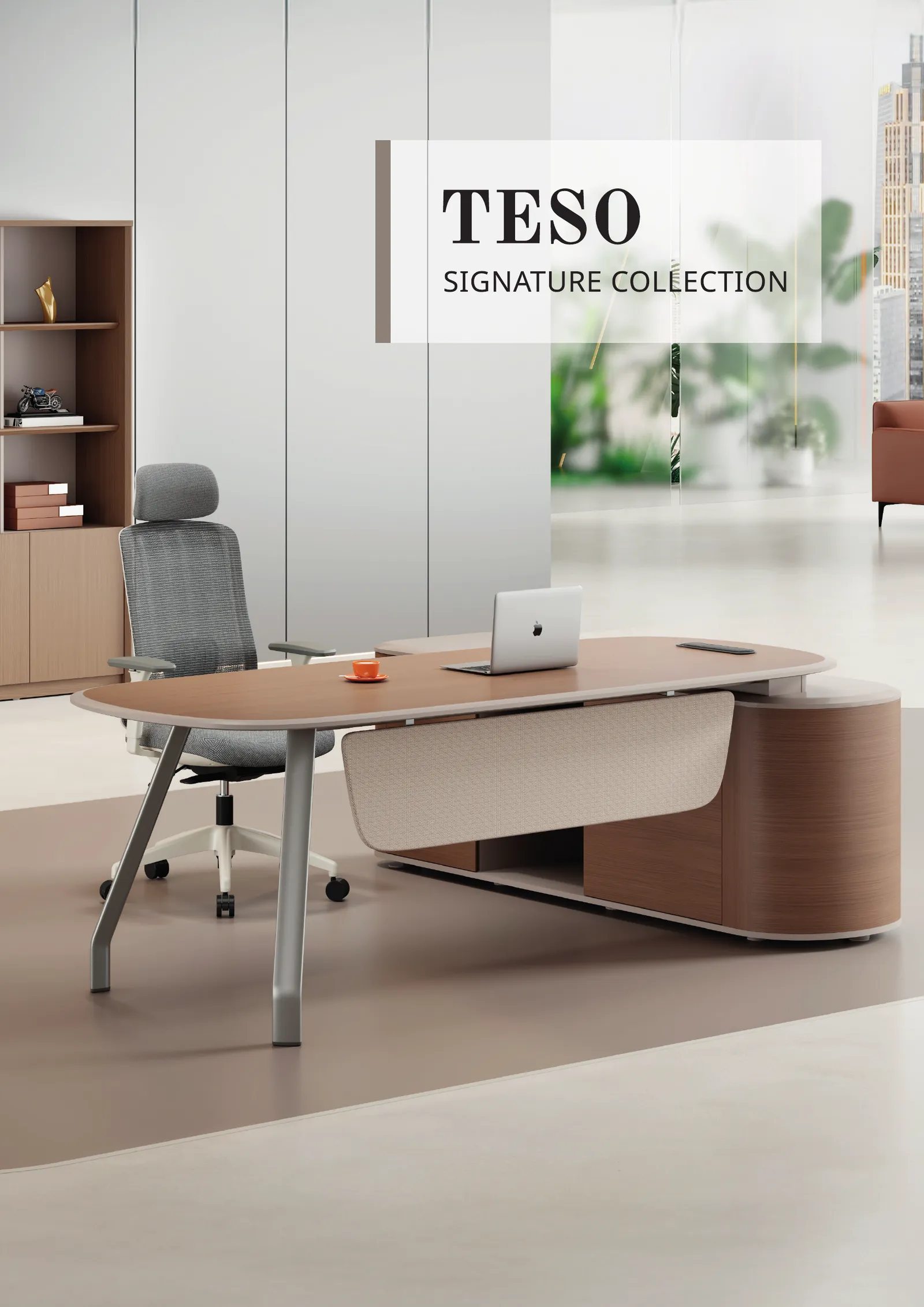
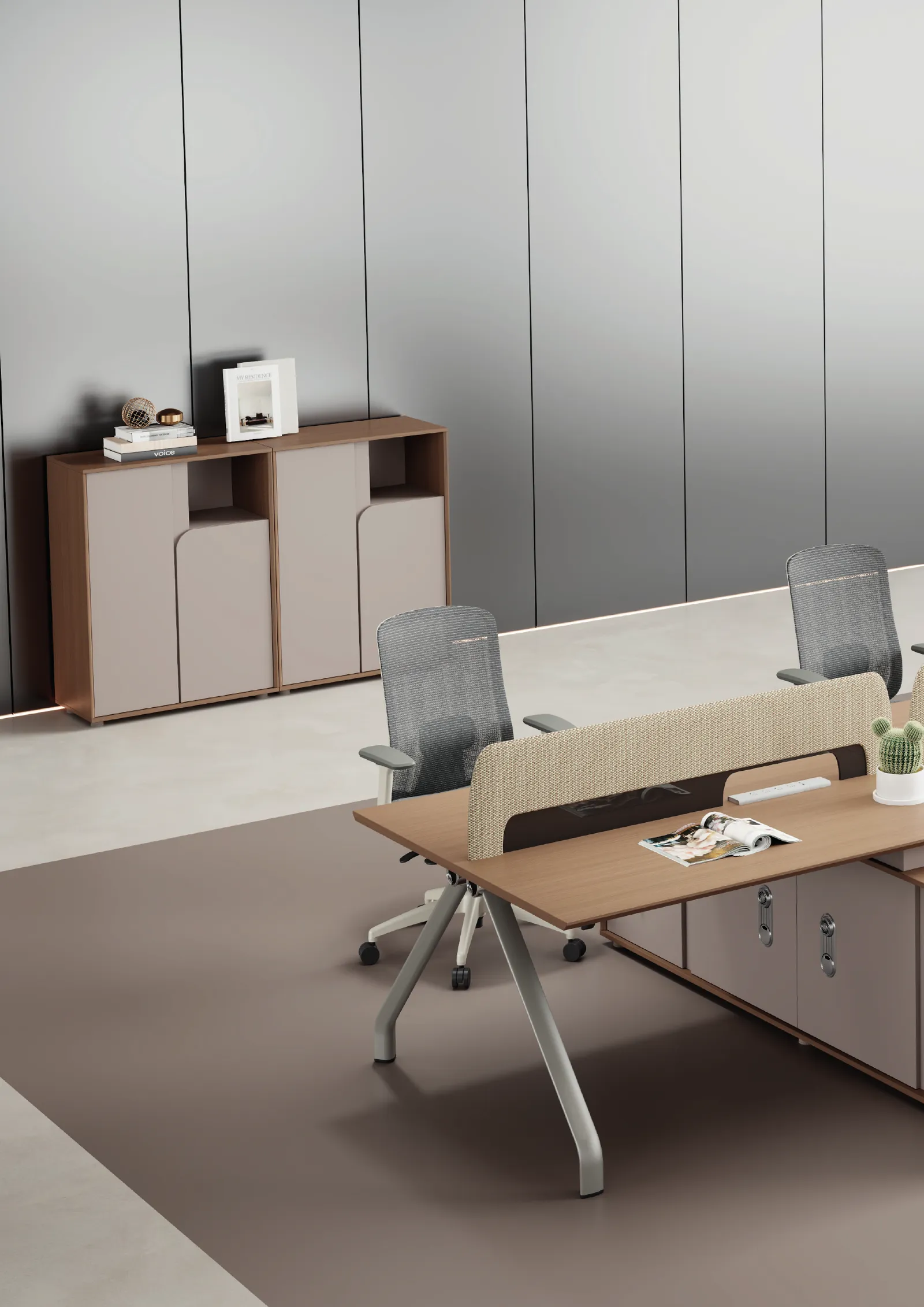
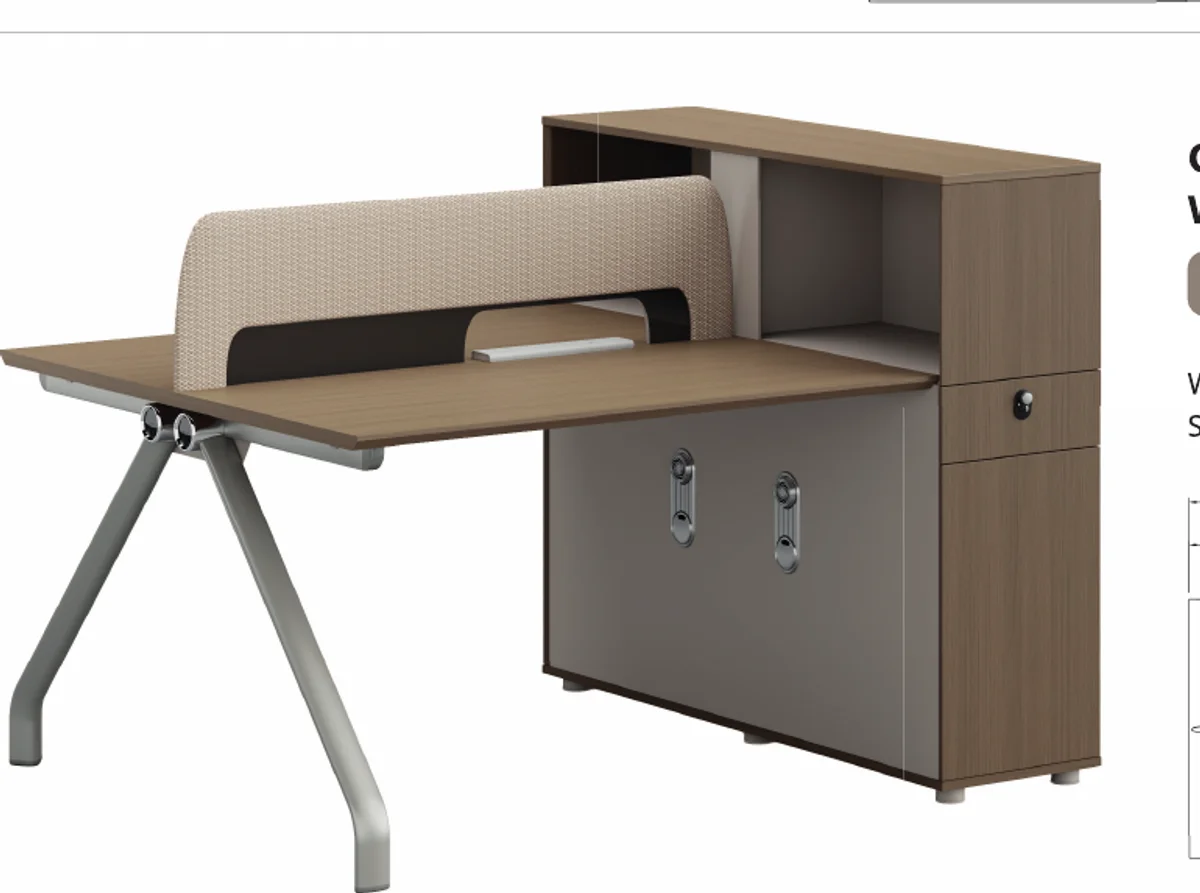
Start the new office with the TESO series — cluster desks in nine sizes, with bouclé screens and power built in.
View the TESO seriesFrequently asked questions
How far ahead should I order furniture for an office move?
About 30 to 60 days before the move, to allow for production, delivery and installation. For large orders or anything made to specification, start requesting quotes two months ahead at the latest.
Should I reuse the old furniture or buy new?
Judge it on condition and on how well it fits the new layout. Pieces that are structurally sound and the right size are worth keeping. For anything damaged or the wrong size for the new plan, buying new usually works out better once you add up moving and repair costs.
How much space should I allow per employee?
The general guide is 4–6 square metres per person, which averages in the desk, walkways and shared areas. If you have several meeting and training rooms, allow a little more than that.