Why office desks are 750 mm tall — and how to sit at one properly
A stiff neck by mid-afternoon, aching shoulders by evening, a back so tight you have to twist in your seat every hour. These complaints are the office worker's lot, and they often have nothing to do with how hard you are working. They come from a desk and chair that don't fit the person sitting at them — and desk height in particular is something almost nobody thinks to question. This article looks at 750 millimetres, the standard office desk height the world over, and at how to adjust everything around the desk so it actually fits your body.
Why the world settled on 750 millimetres
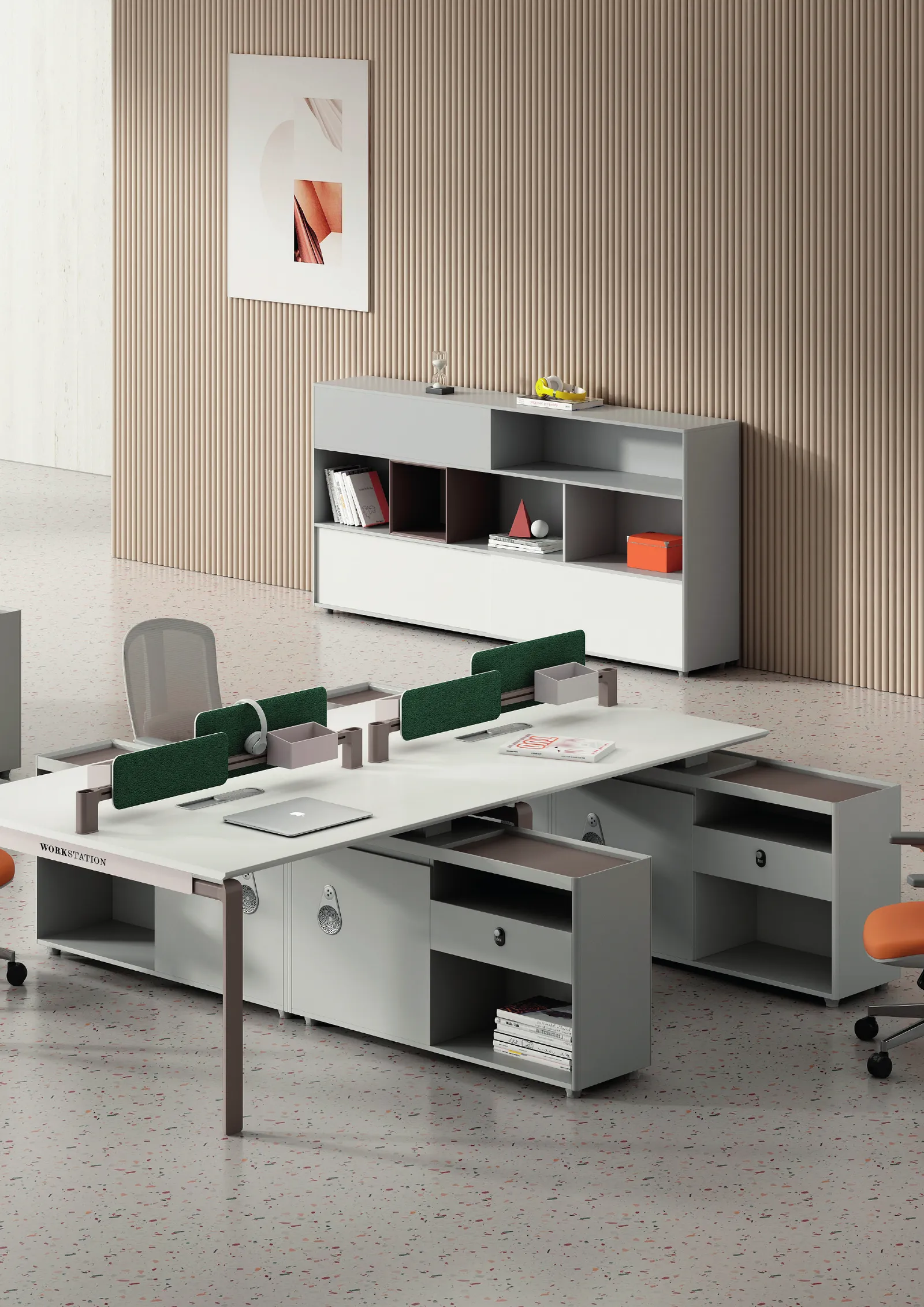
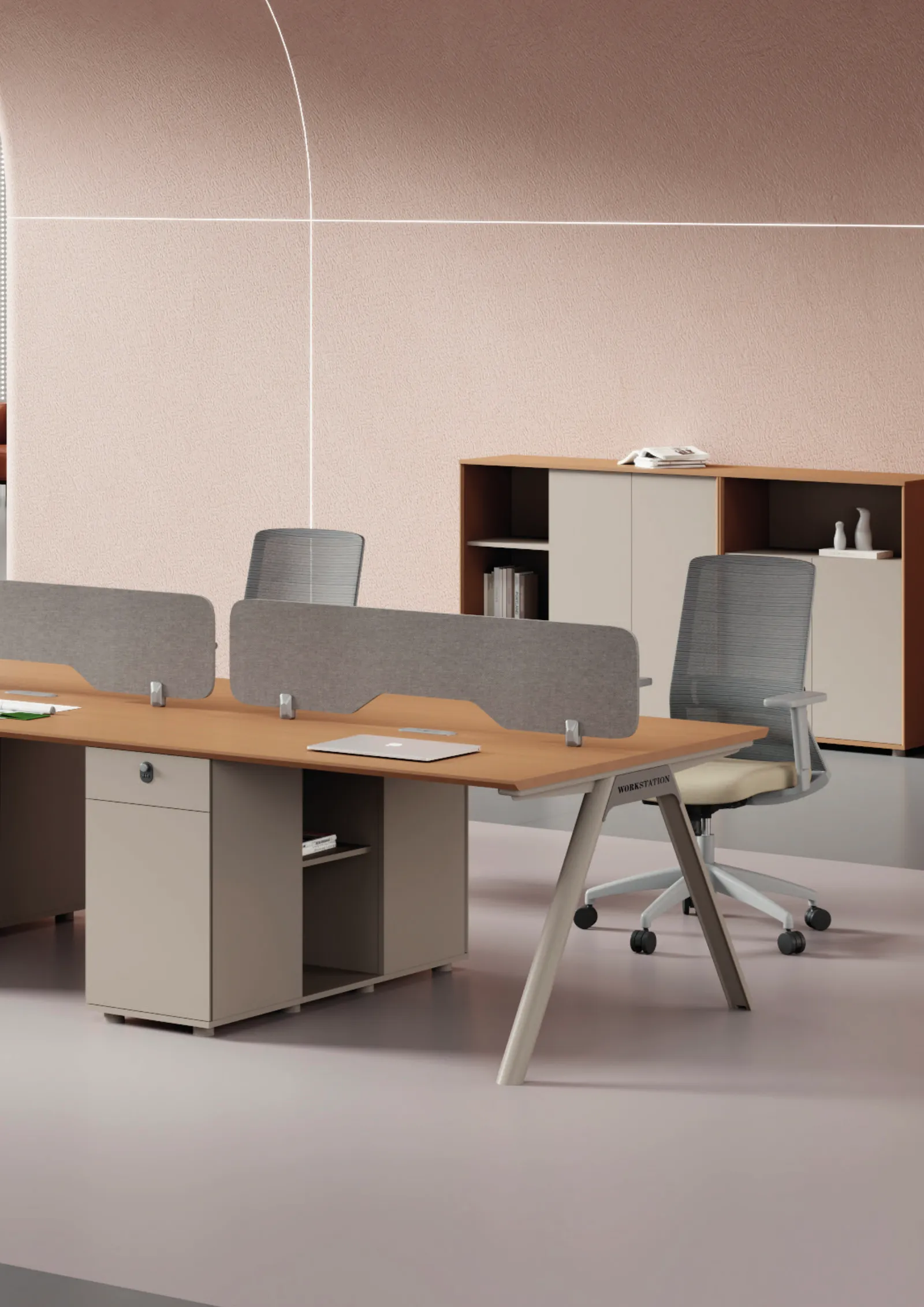
750 millimetres — 75 centimetres — is the height at which most people can rest their arms on the desk with their elbows at roughly 90 degrees, seated in an adjustable office chair. That is why furniture makers worldwide build to it. The knock-on benefit is that every desk in the office sits on one plane, from cluster desks to manager desks to the boardroom table, so layouts run on continuously and one chair model works for the whole company. Every WORKSTATION series is built to the same 750 millimetres.
Check your posture in one minute
- Elbows at roughly 90 degrees with your hands on the keyboard, shoulders relaxed rather than hunched
- Feet flat on the floor, whole sole down, knees at roughly 90 degrees
- Back against the full height of the backrest, with the lumbar support meeting the small of your back
- Top edge of the monitor at eye level or a little below, about an arm's length away
- Wrists in line with your forearms, neither cocked up nor folded down as you type
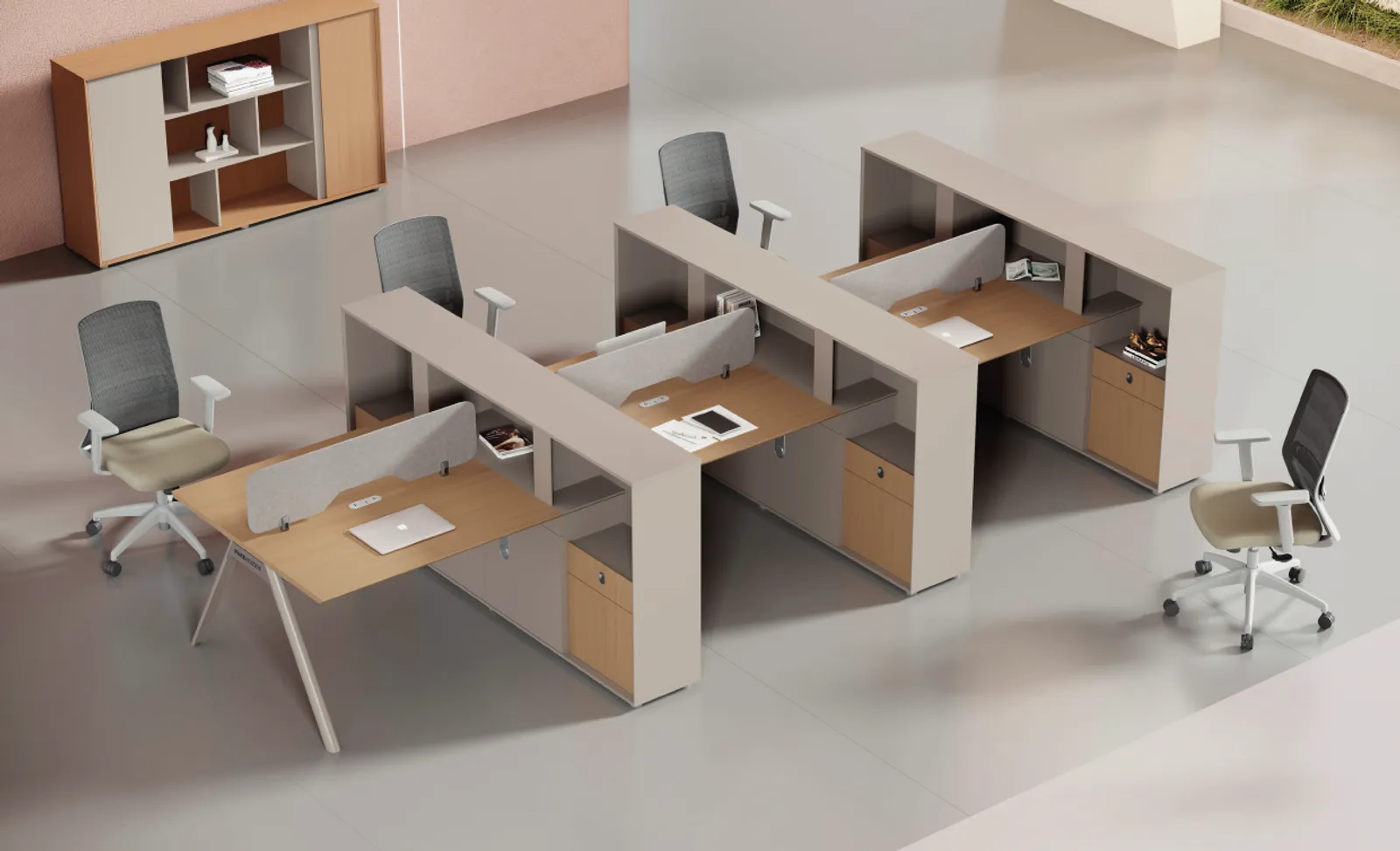
The desk doesn't adjust. Everything around it does.
People assume the job is to find a desk at exactly the right height for them. Ergonomics actually works the other way round: take the standard 750 mm desk as fixed and bring everything else to it. Start by raising the chair until your elbows are level with the desktop. If your feet leave the floor at that height, add a footrest. Very tall users may want a monitor riser so they aren't looking down. Keep the keyboard and mouse close enough that you never reach for them. Do that and a single standard desk will suit almost every body on the team.
Signs the desk and your body still don't agree
Watch yourself during the day. Shoulders that ache from being held up mean the chair is too low for the desk. A rounded back leaning toward the screen means the monitor is too far away or too low. Numb legs mean the front edge of the seat is pressing under your knees because you are sitting too high. Each of these takes a few minutes to fix by working through the steps above. And remember the most important rule in ergonomics: no sitting position is good enough to hold for eight hours straight. Getting up to stretch every 60 to 90 minutes is the best thing you can do for your back, and it costs nothing.
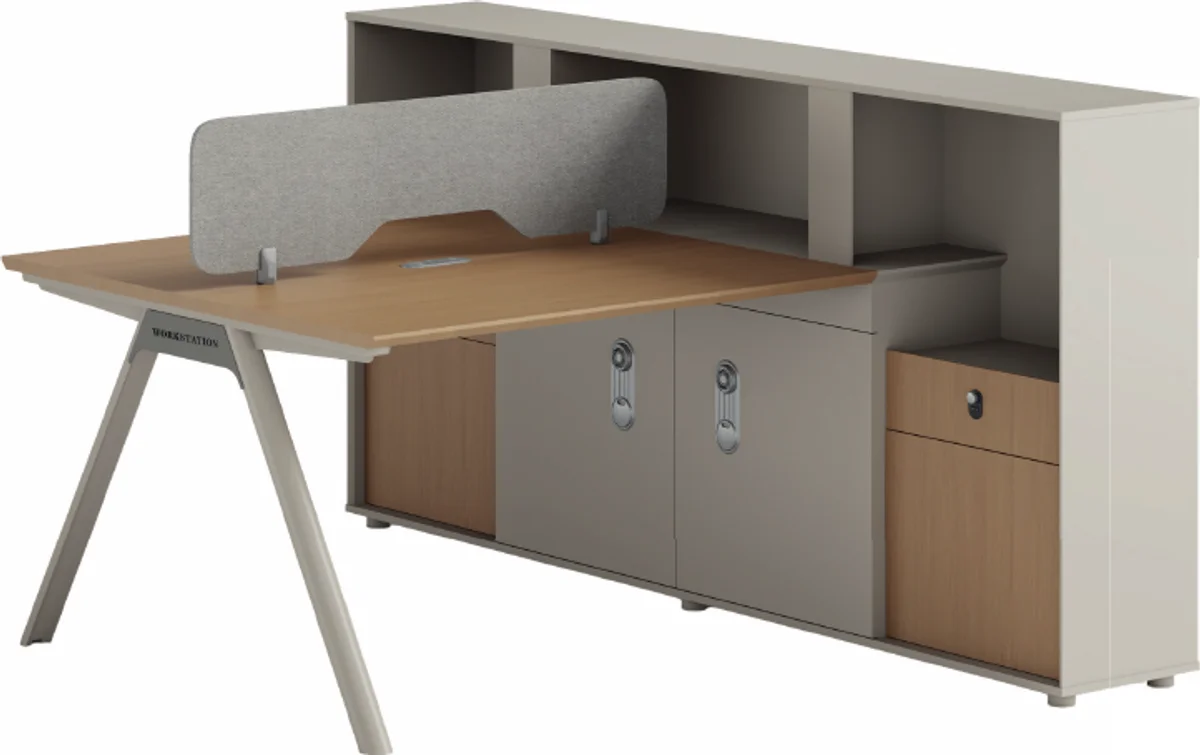
Choosing new desks for your team? Talk to us about sizes and layout that suit the people using them, and request a free quote at /quote or call 095-424-4166.
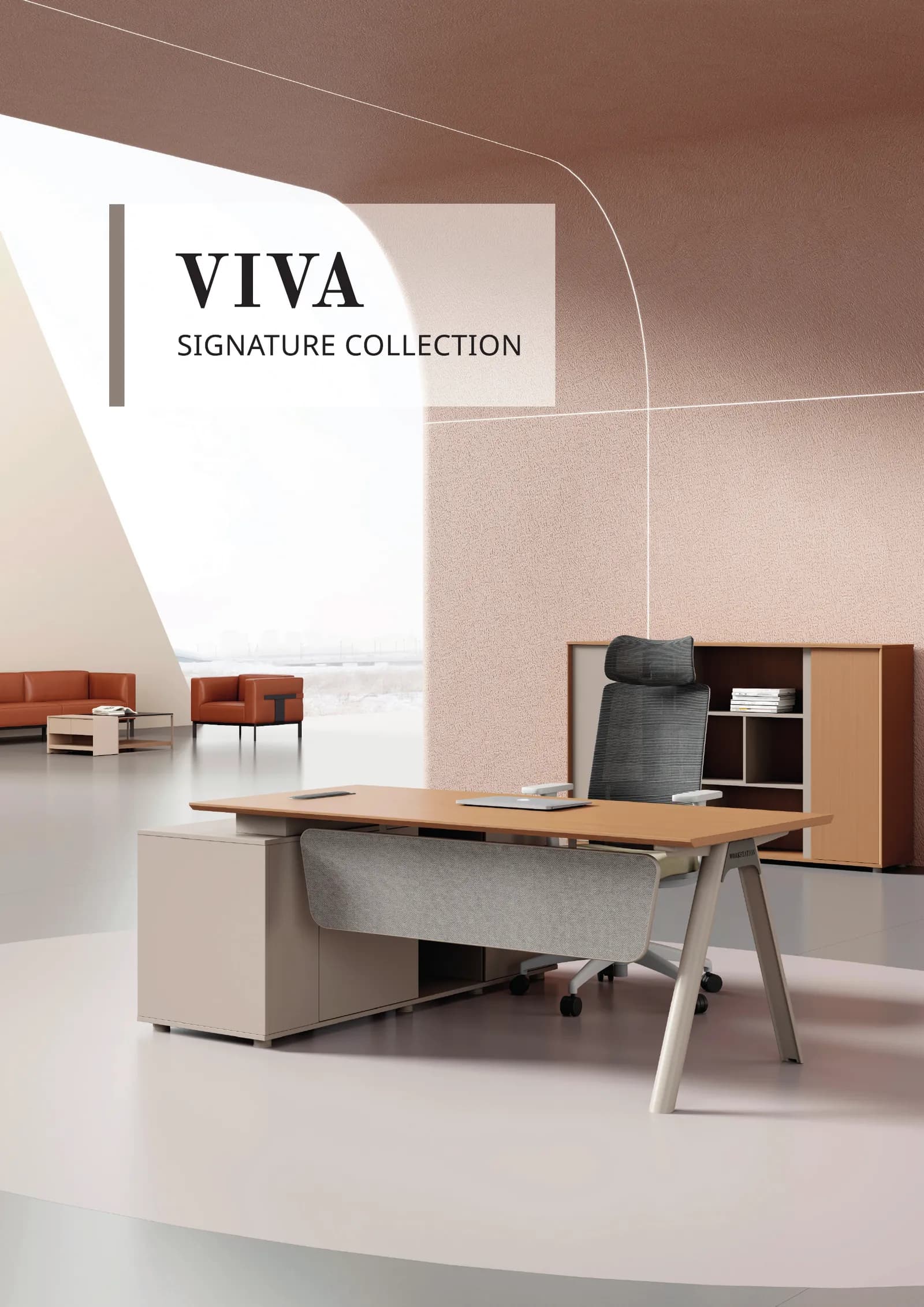
See the VIVA cluster desk range — Scandinavian style in ten sizes, every one at the standard 750 mm.
View the VIVA seriesFrequently asked questions
How tall is a standard office desk?
The international standard is 750 millimetres, or 75 centimetres, from the floor to the desktop. It is set so that your elbows sit at about 90 degrees when the desk is used with an adjustable office chair.
My shoulders hurt when I work. Is my desk too high?
Quite possibly. When the desktop sits above elbow height your shoulders stay raised all day, which is tiring. The fix is to raise the chair until your elbows are level with the desktop, then add a footrest if your feet no longer reach the floor.
Who does a 750 mm desk suit?
It works well for most people between roughly 160 and 180 centimetres tall when paired with an adjustable chair. Anyone shorter or taller can compensate with a footrest and a monitor riser, which is exactly what ergonomics prescribes.